MIM Metal Injection Molding
The preferred manufacturing process for complex precision metal parts
Accuracy ±0.3% | Annual supply in tens of millions | Cost 50-70% lower than CNC | Complex structures formed in one shot | 30+ materials available
MIM Metal Injection Molding
The preferred manufacturing process for complex precision metal parts
Accuracy ±0.3% | Annual supply in tens of millions | Cost 50-70% lower than CNC | Complex structures formed in one shot | 30+ materials available
What is MIM Metal Injection Molding?
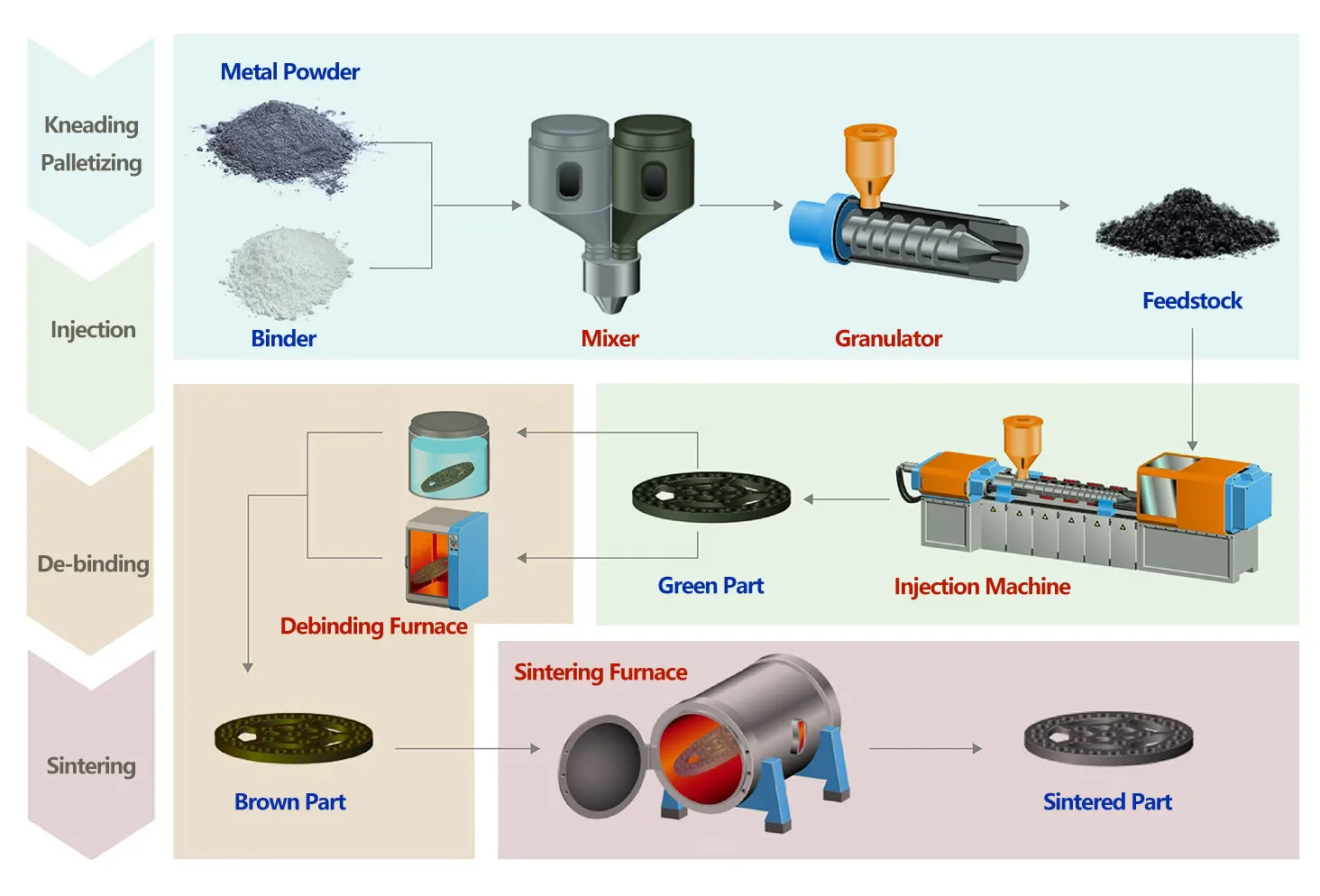
MIM (Metal Injection Molding) is an advanced manufacturing process that combines powder metallurgy with plastic injection molding. Fine metal powder and binder are precisely mixed into a "feedstock", which is then injected into a mold cavity using an injection molding machine to form a green part. After debinding to remove the binder and high-temperature sintering for densification, the final precision metal part achieves properties close to those of wrought materials.
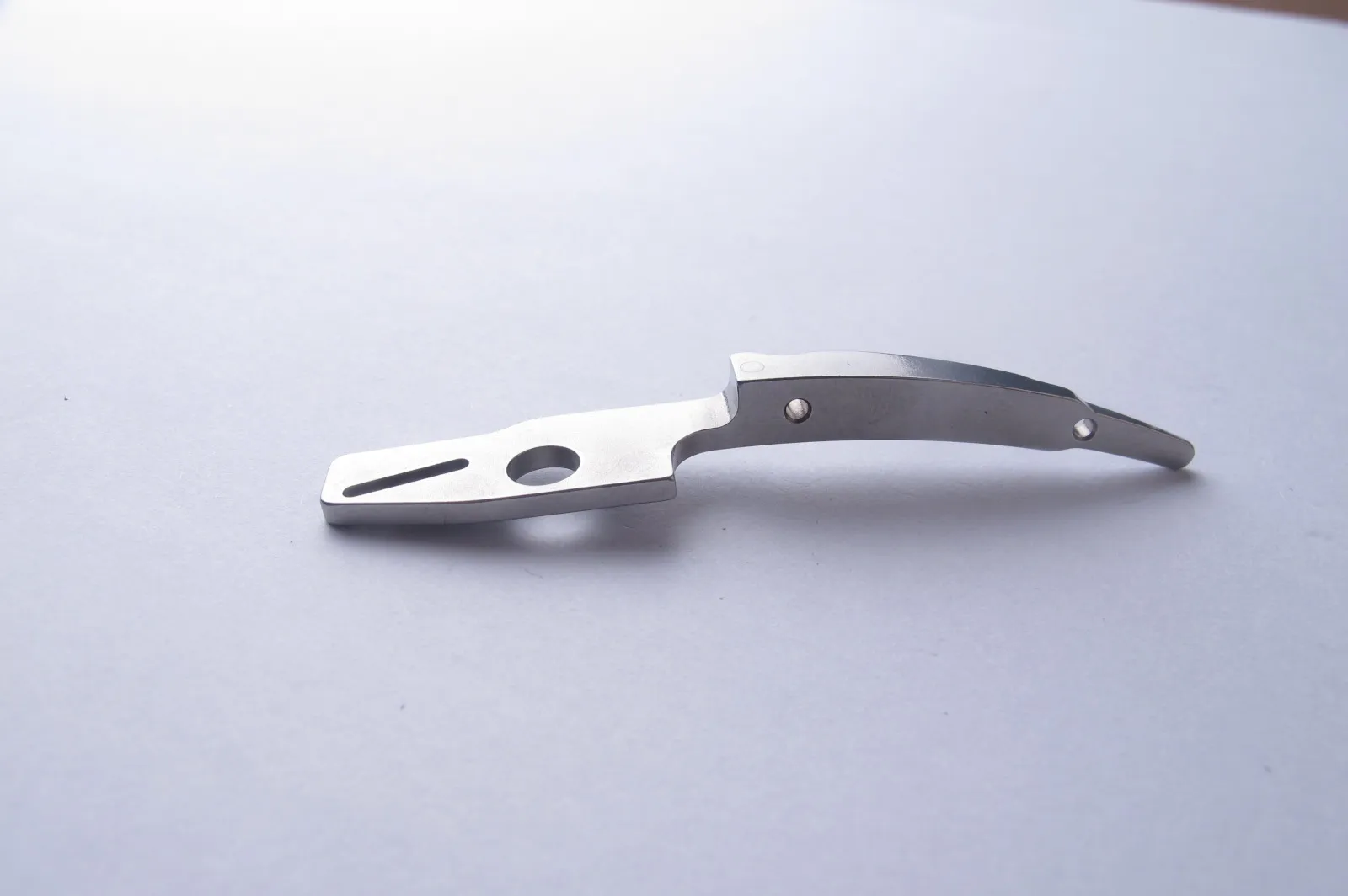
The core value of MIM is that it can achieve complex three-dimensional shapes, high-precision dimensions, and excellent surface quality in a single shot, eliminating multi-step CNC machining and assembly. When annual demand exceeds 5,000 pieces, the MIM unit cost is 50-70% lower than CNC machining, making it the preferred manufacturing solution for high-volume, complex, precision metal parts.
| Comparison Dimension | MIM Injection Molding | CNC Machining | Die Casting | SLM 3D Printing |
|---|---|---|---|---|
| Complex Structure Capability | ✓ Extremely strong (internal undercuts / threads formed in one shot) | ! Limited by tool reachability | ! Limited by parting line | ✓ Free-form forming |
| Dimensional Accuracy | ✓ ±0.3% (IT8–9 grade) | ✓ ±0.01 mm | !±0.1–0.3 mm | !±0.1 mm |
| Surface Quality | ✓ Ra < 0.8 μm | ✓ Ra 0.4–1.6 μm | !Ra 1–3 μm | ✕ Ra 3–8 μm |
| High-Volume Cost (>5,000 pcs) | ✓ Extremely low (50–70% lower than CNC) | ✕ Expensive | ✓ Low | ✕ Expensive |
| Tooling Investment | $ 10,000–$50,000 | No tooling | $20,000–$80,000 | No tooling |
| Material Utilization | ✓ > 95% | ! 30–50% (cutting waste) | ✓ High | !50–70% |
| Minimum Batch Size | Cost advantage from 5,000 pcs | As few as 1 pc | From 10,000 pcs | As few as 1 pc |
| Typical Part Weight | 0.1–50 g (up to 240 g) | Unlimited | 10–500 g+ | Unlimited |
MIM 8 major technical advantages
MIM has irreplaceable comprehensive advantages in the high-volume manufacturing of complex small precision parts, and is the optimal balanced solution between traditional CNC and die casting.
Complete MIM process flow — 6 steps to produce precision metal parts
The MIM process flow covers the complete manufacturing chain from powder to finished parts, withstrict process parameter controlat each stage. We have a full-process in-house equipment chain from powder production, compounding, injection molding, debinding, sintering to post-processing.
1. Feedstock preparation
Metal powder (D50 5-20μm) and binder are mixed and granulated in precise proportions. Self-developed wax-based and plastic-based dual-system feedstocks meet different part requirements. 100% spectral analysis verifies incoming material composition.
2. Injection molding
Engel/Arburg/Nissei all-electric injection molding machines produce green parts with accuracy ±0.01mm. Multi-cavity designs enable tens to hundreds of parts per shot, with short cycle times and good consistency.
3. Debinding
Flexible selection of catalytic debinding, solvent debinding, and thermal debinding. Low-temperature pyrolysis removes 70-90% of the binder, forming a porous “brown part” in preparation for sintering.
4. High-temperature sintering
CREMER continuous furnace + vacuum sintering furnace; metal particles fuse and densify at high temperatures of 1100-1400°C. Linear shrinkage of 15-20% is precisely compensated, density >96%.
5. Post-processing
Heat treatment (solution/aging/annealing) + surface treatment (polishing/ PVD/ electroplating/ sandblasting /passivation). All completed in-house, one-stop delivery of finished parts.
6. Quality inspection and delivery
Zeiss CMM full dimension inspection + mechanical property testing + 100% full appearance inspection. Each batch is accompanied by a complete inspection report and certificate of analysis (CoA).
Common pain points in the MIM industry — how we solve each one
In high-volume manufacturing of precision metal parts, procurement and engineering teams often face the following challenges. Based on 20+ years of MIM industry experience, we have established systematic solutions for each pain point.
🔴 High CNC cost, no room for cost reduction in high volume
Complex parts require multiple processes, multiple fixtures, and multiple clamping operations for CNC machining. When volume increases, the unit cost hardly decreases. For a complex part with an annual demand of 50,000 pieces, the CNC machining cost may be as high as hundreds of thousands of RMB.
✅ One-time MIM tooling investment, unit cost drops sharply with volume. When annual demand >5,000 pieces, MIM unit cost is 50-70% lower than CNC. Multi-cavity injection molding forms dozens of parts at once, and for orders of millions, the unit cost can be as low as a few RMB.
🔴 Multi-part assembly has cumbersome processes and large accumulated tolerances
Traditional processes require 3-5 independent parts to be machined separately and then assembled. Accumulated assembly tolerances lead to reduced fit accuracy, high assembly labor costs and high defect rates.
✅ MIM combines multiple parts into one complex part formed in one shot.Internal snaps, threads, and hinge structures — all completed in the mold. Reduces assembly steps by 80%, eliminates accumulated tolerances, and reduces total cost by 30-50%.
🔴 Fluctuations in incoming powder quality, inconsistent batch performance
Purchased powders have large variations in particle size distribution, oxygen content, and flowability between batches, causing fluctuations in sintering shrinkage and inconsistent part dimensions and mechanical properties across batches.
✅ In-house water-gas combined atomization powder production capability. Control powder D50 (5-20μm), oxygen content (<2000ppm), and sphericity from the source. 30+ alloy systems with batch traceability to heat numbers, ensuring performance consistency for every batch.
🔴 Long tooling development cycle, delaying product launch
Traditional MIM suppliers take 4-6 weeks for tooling development, and it can only start after design confirmation. Product teams have to wait, missing market windows.
✅ MBJ produces prototype parts in 3-5 days, parallel with tooling development.Physical parts are available for functional and assembly validation during the design stage. Tooling development takes 7-14 days, and the overall cycle is shortened by 60% compared to traditional processes. Zero-risk connection between prototyping and tooling, same supplier for the entire process.
🔴 Uncontrollable sintering deformation, high dimensional deviation rate
MIM sintering involves 15-20% linear shrinkage, and non-uniform shrinkage of complex geometries leads to warpage. The traditional empirical approach relies on multiple trial sintering rounds, resulting in long development cycles and high costs.
✅ Sintering simulation software + 20-year MIM shrinkage database. Accurately predict shrinkage based on part geometry and material characteristics, and compensate during the design stage. APQP process control, first-article yield >98%, greatly reducing the number of trial sintering rounds.
🔴 Single-capability supplier, need to switch between prototyping and mass production
Traditional MIM suppliers only do high-volume production, and prototyping requires finding a separate 3D printing service provider. Process switching leads to parameter re-validation, high communication costs, and high risks.
✅ MIM+MBJ dual process from the same supplier, covering the entire lifecycle. MBJ prototyping validation → data directly transferred to MIM mass production → long-term supply. Shared debinding and sintering equipment and quality system, zero-risk transition, reducing supplier management costs by 80%.
Common MIM materials — 30+ materials to meet the needs of multiple industries
We offer a wide range of MIM material choices, from general stainless steel to special superalloys. All materials undergo 100% spectral analysis to verify composition and comply with RoHS and REACH environmental regulations. Our in-house powder production capability ensures powder batch consistency and supply stability.
| Material category | Representative grades | Density (g/cm³) | Tensile strength (MPa) | Key characteristics | Typical applications |
|---|---|---|---|---|---|
| Austenitic stainless steel | 316L / 304L | 7.9 | 450-520 | Corrosion resistance, biocompatibility, good appearance | Medical devices, consumer electronics, food equipment |
| Martensitic stainless steel | 17-4PH / 420 / 440C | 7.8 | 700-1310 | High strength, heat treatable, wear resistant | Gears, surgical instruments, structural parts |
| Ti-6Al-4V titanium alloy | Ti-6Al-4V / Ti-6Al-7Nb | 4.43 | 900-1050 | Lightweight, biocompatible, high strength | Medical implants, aerospace, high-end wearables |
| Soft magnetic alloy | Fe-50Ni / Fe-2Ni | 8.2 | 420-480 | High permeability, low coercivity | Sensor cores, electromagnets, relays |
| Superalloy | Inconel 718 / Hastelloy | 8.2 | 980-1240 | High temperature resistance >700°C, oxidation resistance | Turbochargers, aero-engines |
| Special alloy | Tungsten alloy / copper alloy / cobalt-chromium | 8.8-18.5 | 200-800 | High density / high conductivity / wear resistance | Military, electronics cooling, dental |
MIM process capability parameters — transparent data for precise decision-making
Clear process capability parameters help you make accurate judgments during the design phase. The following data is based on actual production validation using Engel/Arburg/Nissei injection molding machine fleets and CREMER sintering furnaces.
Core capability indicators
±0.3%
Dimensional accuracy
>96%
Sintered density
50 million+
Annual capacity (pieces)
>95%
Material utilization
±0.01mm
Injection molding repeatability accuracy
±1.5μm
CMM inspection accuracy
0.1-50g
Part weight range
Ra<0.8μm
As-sintered surface roughness
30+
Optional material types
7-14 days
Tooling development cycle
99.8%
On-time delivery rate
CPK>1.67
Critical dimension process capability
MIM core injection molding equipment
| Equipment brand | Model series | Clamping force | Core advantages |
|---|---|---|---|
| Engel | e-mac all-electric series | 50-200T | Injection accuracy ±0.01mm, all-electric servo, suitable for micro precision parts (0.1-50g) |
| Arburg | Allrounder Golden Edition | 50-100T | Gestica control system, excellent mold filling consistency, suitable for high appearance requirements |
| Nissei | NEX80-III electric series | 80T | Low-speed stable control, reduces powder-binder separation, suitable for thin-wall parts |
MIM + MBJ synergy — from prototyping to mass production, seamless transition
MIM and MBJ share the exact same debinding and sintering process chain, making them naturally complementary processes. MBJ rapidly validates designs (3-5 days, no tooling) → MIM high-volume cost reduction (unit cost reduced by 50-70%). The same supplier, the same quality system, the same set of sintering parameters — zero-risk transition.
MBJ → MIM synergy selection guide
| Requirement scenario | Choose MBJ | Choose MIM | Suggestion |
|---|---|---|---|
| Design validation, functional testing | ✅ Parts in 3-5 days | ⚠️ Need to wait for tooling 7-14 days | MBJ validates first, then open MIM tooling after confirmation |
| Small batch (<1,000 pieces) | ✅ Zero tooling cost advantage | ❌ High tooling amortization cost | MBJ direct delivery |
| Medium batch (1,000-10,000 pieces) | ⚠️ Acceptable | ✅ Tooling begins to amortize | Compare total cost; usually MIM has the advantage |
| High volume (>10,000 pieces) | ❌ High unit cost | ✅ Cost 50-70% lower than CNC | MIM is the optimal solution |
| Urgent need | ✅ 3-5 days | ⚠️ Requires tooling | MBJ for emergency delivery, develop MIM tooling in parallel |
| Long-term stable supply | ❌ Cost is relatively high | ✅ Capacity assurance + optimal cost | MIM signs a long-term supply agreement |
How different roles leverage MIM+MBJ synergy
🔬 R&D Engineer
Focus: prototyping speed, design iteration, DFM optimization. In early product development, MBJ quickly produces physical parts for validation; after design confirmation, seamlessly transfer to MIM mass production without changing suppliers.
Recommended path: 3D drawing → MBJ 3-5 day prototyping → Design validation → MIM tooling → mass production
💼 Purchasing Manager
Focus: total cost of ownership (TCO), supply chain simplification. MIM high-volume unit cost is 50-70% lower than CNC, with annual supply in tens of millions. The same supplier covers prototyping to mass production, reducing management costs.
Recommended path: demand analysis → free DFM + tiered pricing → long-term supply agreement
🏭 Production Manager
Focus: capacity assurance, on-time delivery rate, quality consistency. SPC process control with CPK >1.67, on-time delivery rate 99.8%, safety stock ensures long-term stable supply.
Recommended path: APQP sample development → SPC batch control → quarterly business review (QBR)
Application scenarios and industries suitable for MIM
MIM is particularly suitable forsmall metal parts with complex shapes, high precision, and high volume (>5,000 pieces/year). The following industries are the core application areas of the MIM process.
📱 Consumer Electronics
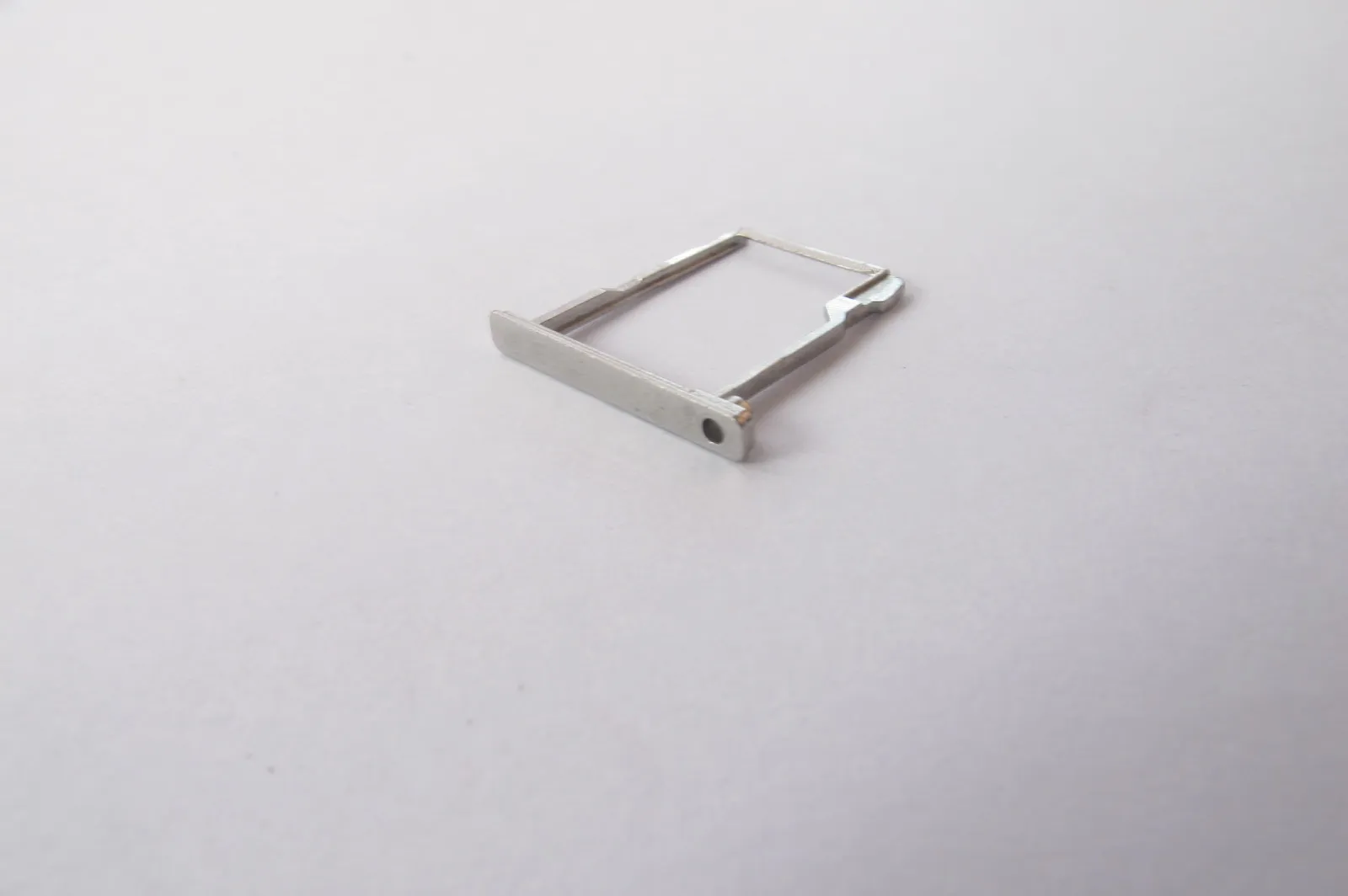
Foldable hinges, SIM card trays, camera brackets
Annual demand in the millions. MIM forms complex hinge structures in one shot, with accuracy ±0.3% ensuring consistent folding feel. 316L/17-4PH meet strength and corrosion resistance requirements.
Annual demand: 100,000-10 million pieces
🚗 Automotive parts
Sensor housings, turbo parts, airbag parts
The automotive industry has extremely high requirements for consistency and reliability. MIM parts are controlled under the IATF 16949 system, and each batch is accompanied by a full dimension inspection report.
Annual demand: 50,000-5 million pieces
🏥 Medical Devices
Surgical instruments, orthopedic implants, dental parts
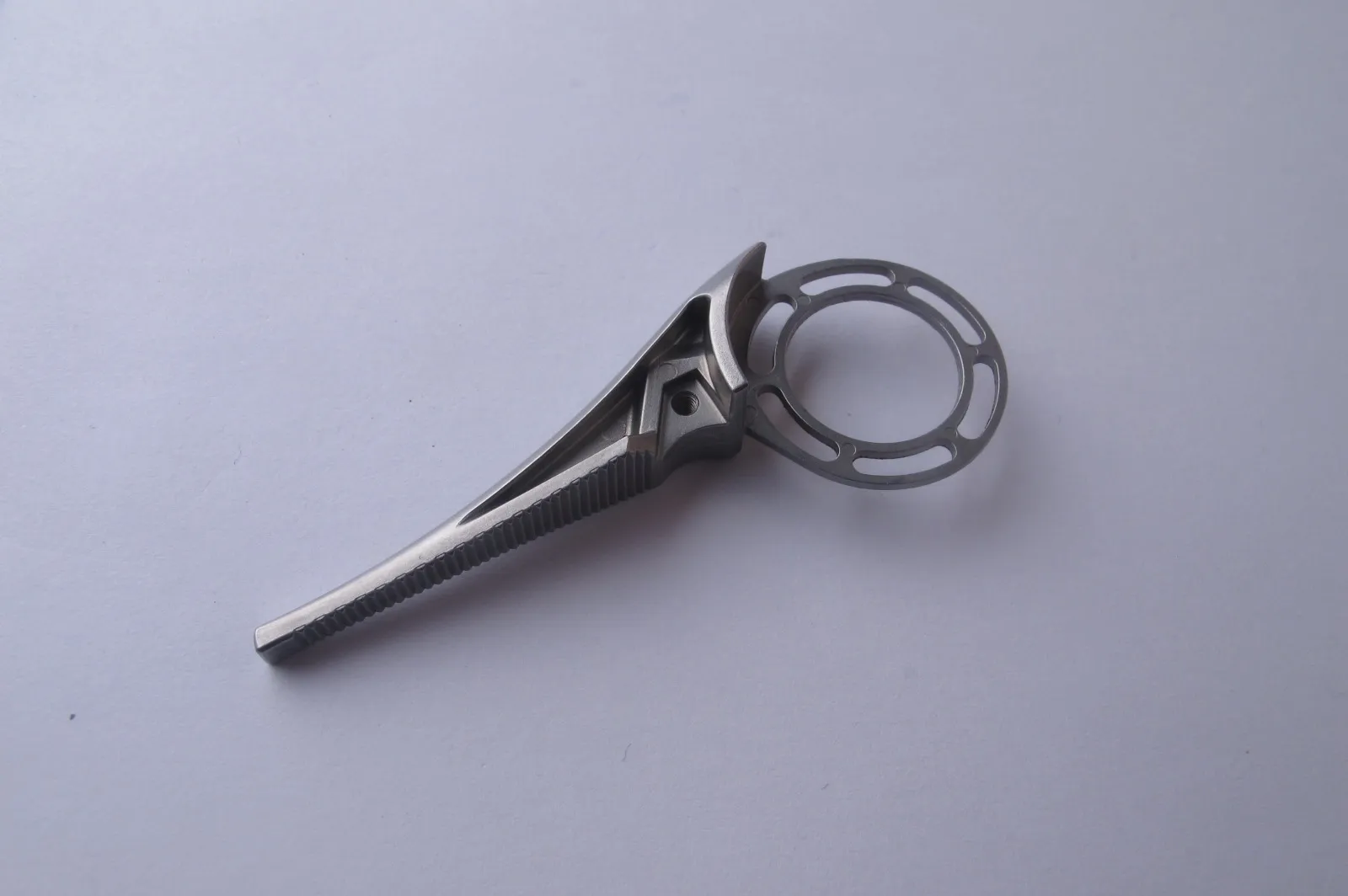
316L and Ti-6Al-4V meet ISO 13485 biocompatibility requirements. Complex surgical forceps handles are formed in one shot, reducing assembly gaps.
Annual demand: 10,000-500,000 pieces
⌚ Smart Wearables
Watch cases, crowns, AR/VR structural parts
Ti-6Al-4V lightweight + MIM precision forming, complex internal cavities and surfaces are completed in one piece. After PVD/polishing, it can meet luxury appearance standards.
Annual demand: 50,000-2 million pieces
⚙️ Industrial Automation
Robot gears, sensor parts, valve bodies
MIM gears can achieve DIN grade 7-8 accuracy, and after heat treatment, 17-4PH has strength >1000MPa. High-volume production offers good consistency.
Annual demand: 10,000-1 million pieces
✈️ Aerospace
Precision structural parts, sensor brackets, fasteners
Inconel 718 and Ti-6Al-4V meet aerospace-grade performance requirements. MIM achieves near-net shaping of complex structures, reducing machining allowance.
Annual demand: 5,000-200,000 pieces
🔬 Precision Instruments
Optical brackets, precision gears, magnetic circuit parts
Fe-50Ni soft magnetic alloy MIM parts have excellent magnetic properties. Complex magnetic circuit structures are integrally formed, eliminating multi-piece assembly.
Annual demand: 5,000-500,000 pieces
🔫 Security & Defense
Sight mounts, tactical rails, special parts
17-4PH/tungsten alloy meet high strength and density requirements. MIM high-volume consistency ensures traceability of military batches.
Annual demand: 10,000-500,000 pieces
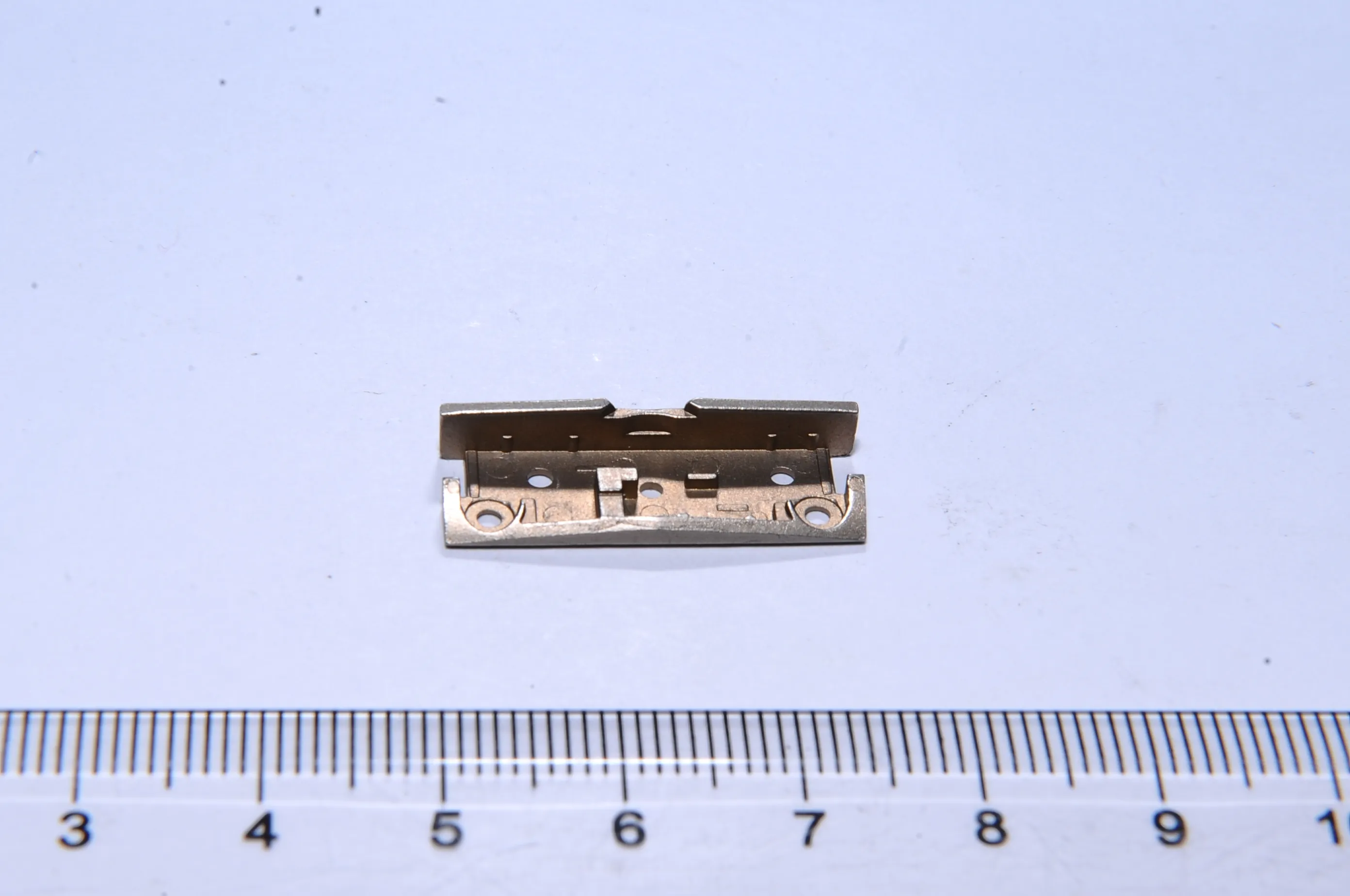
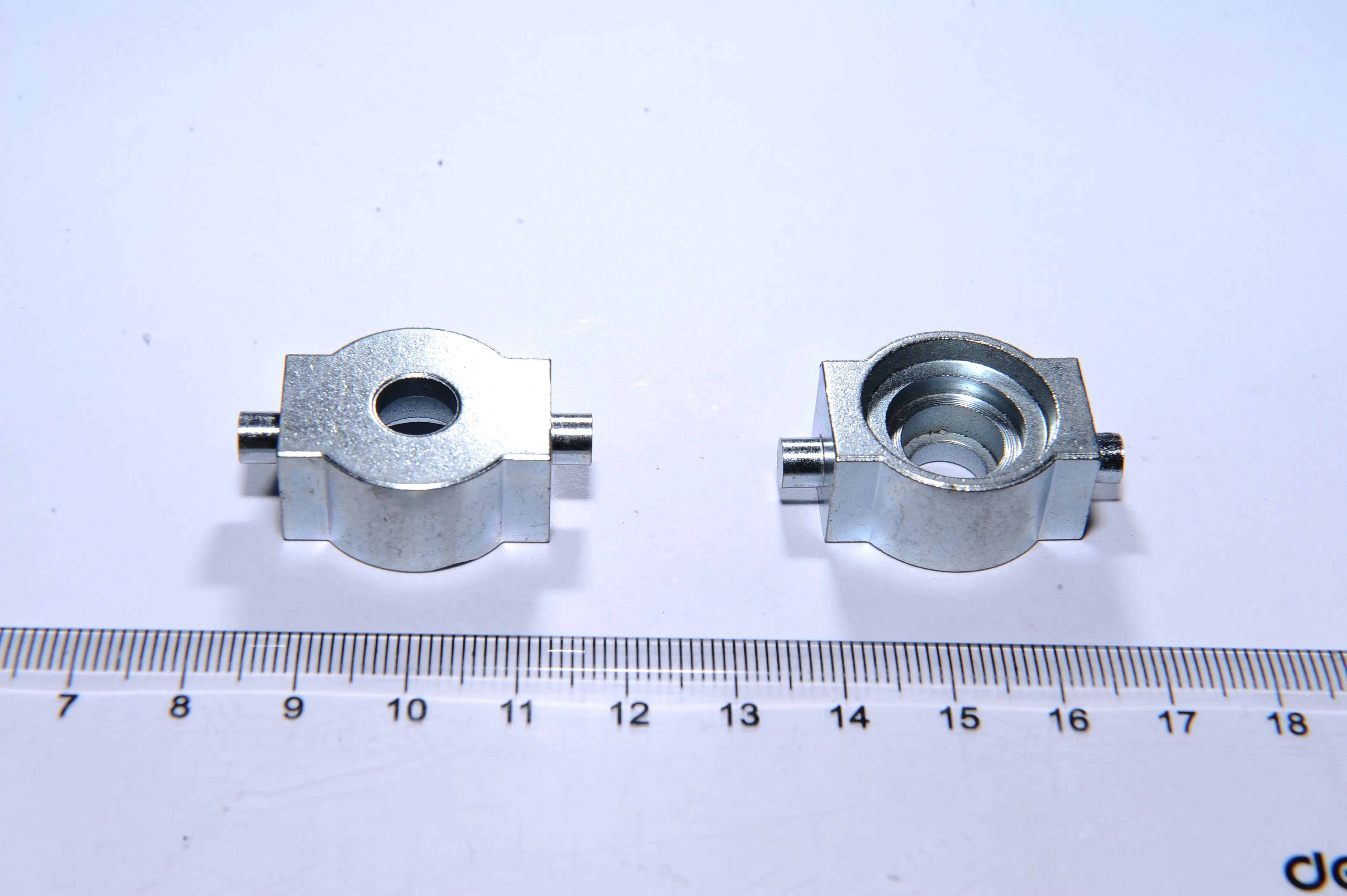
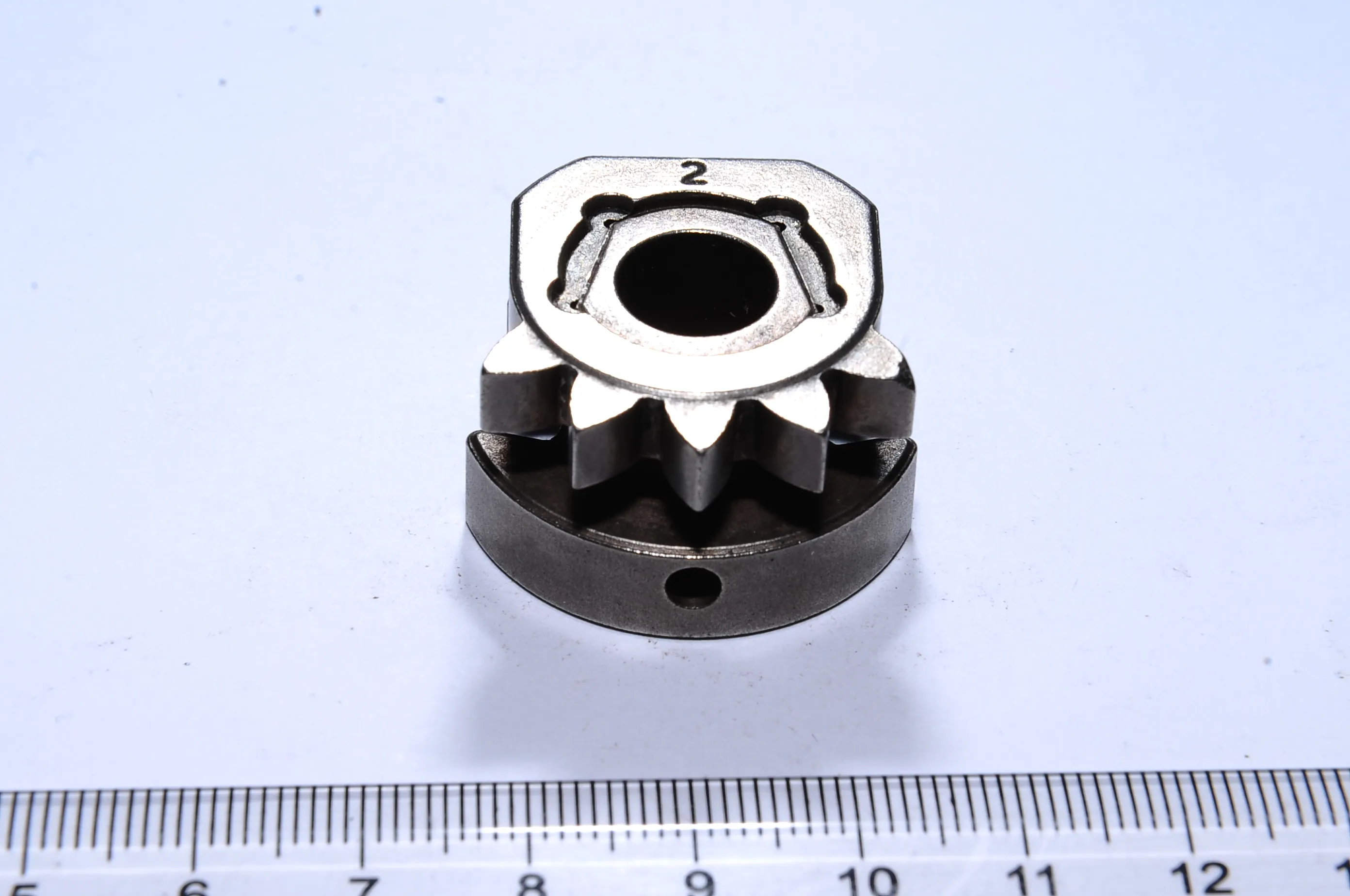
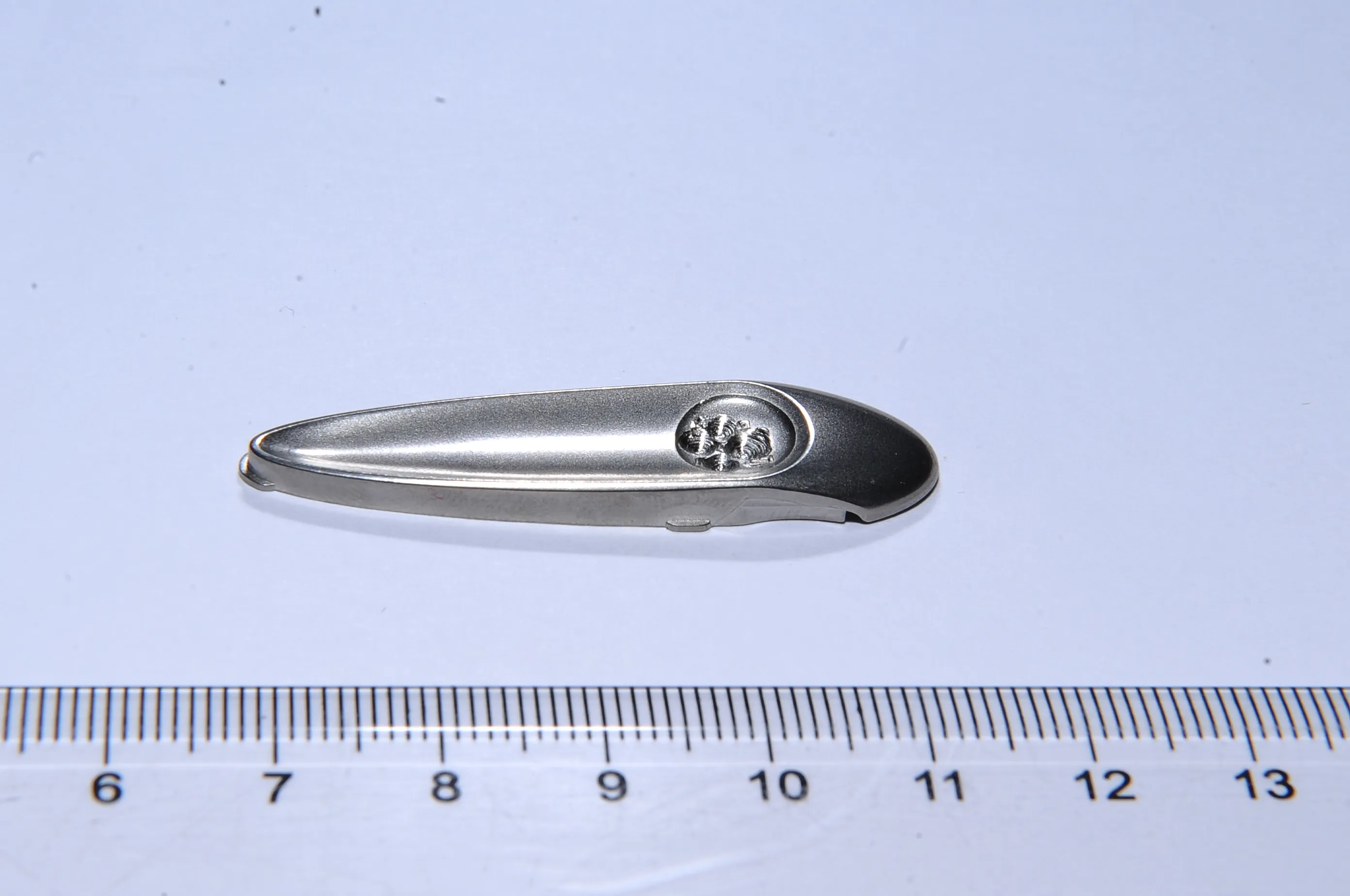
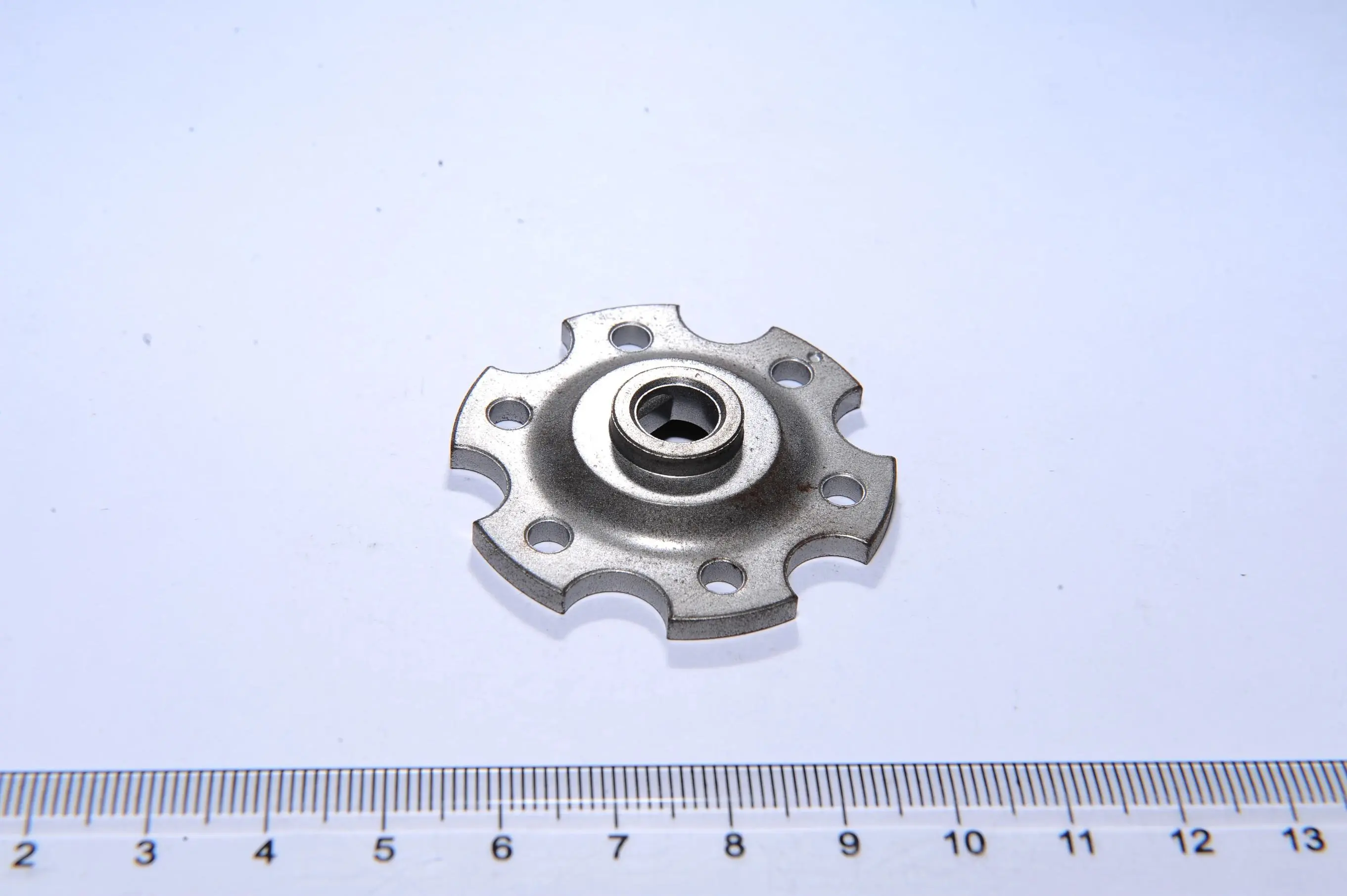
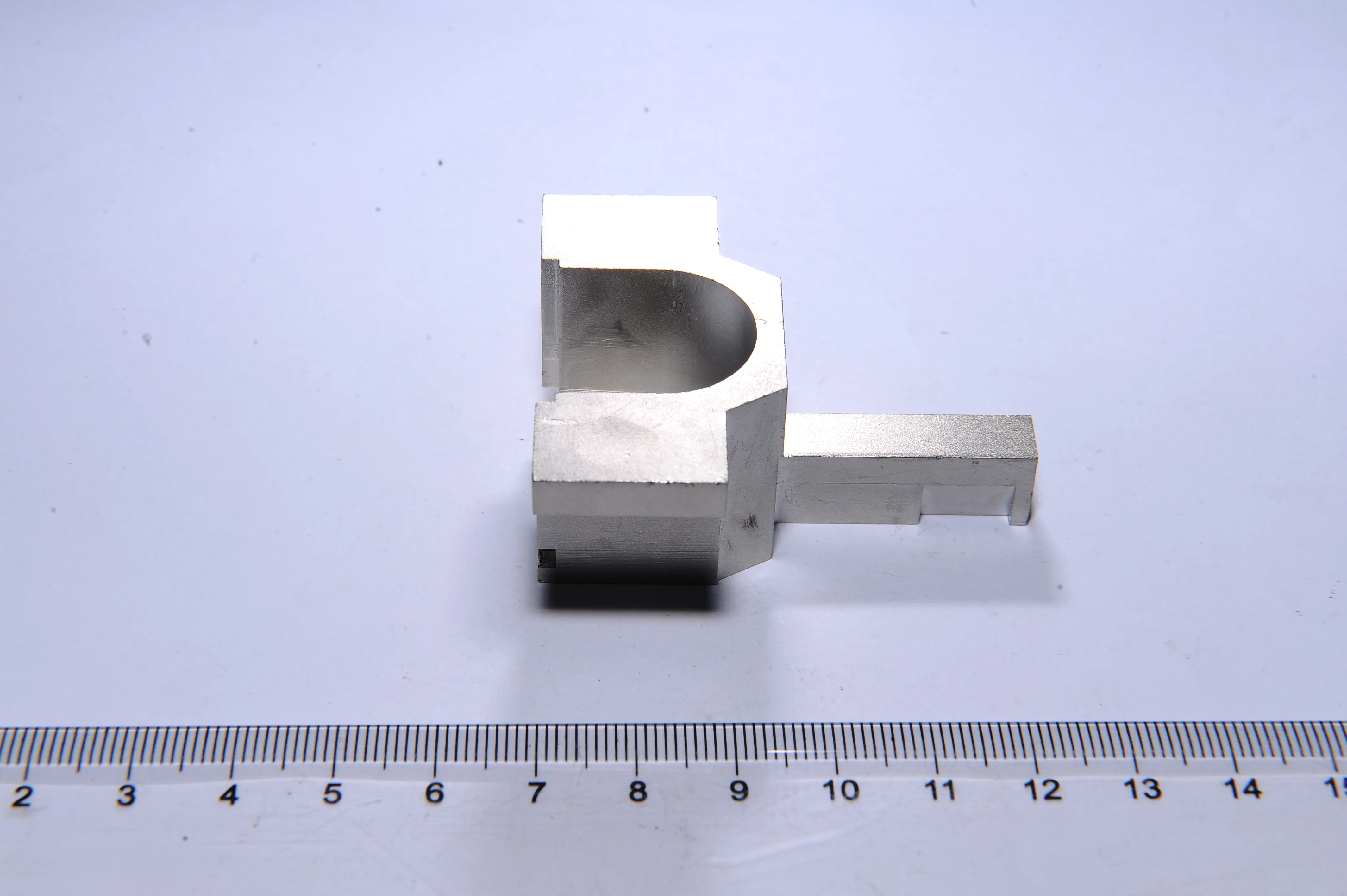
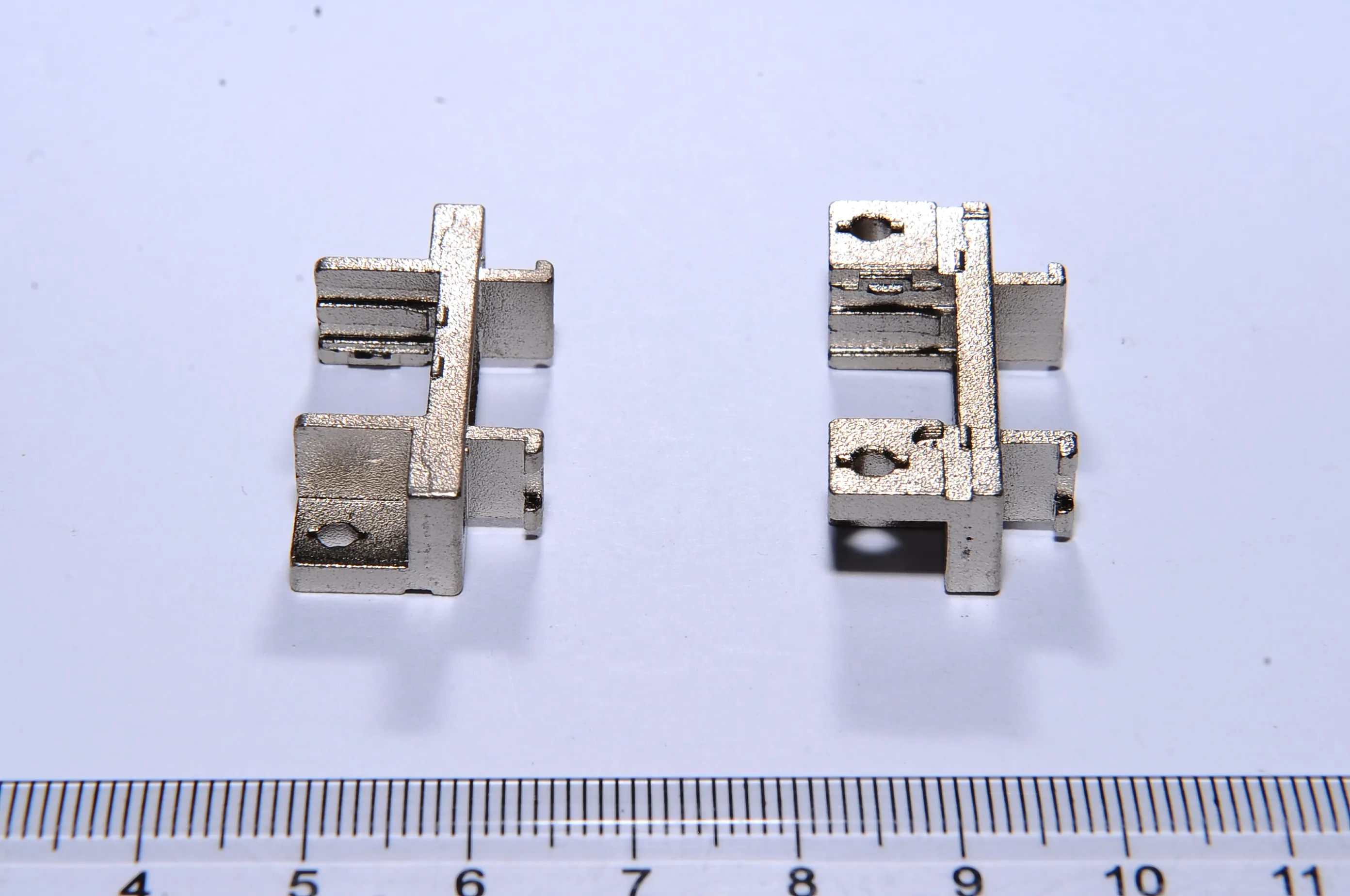
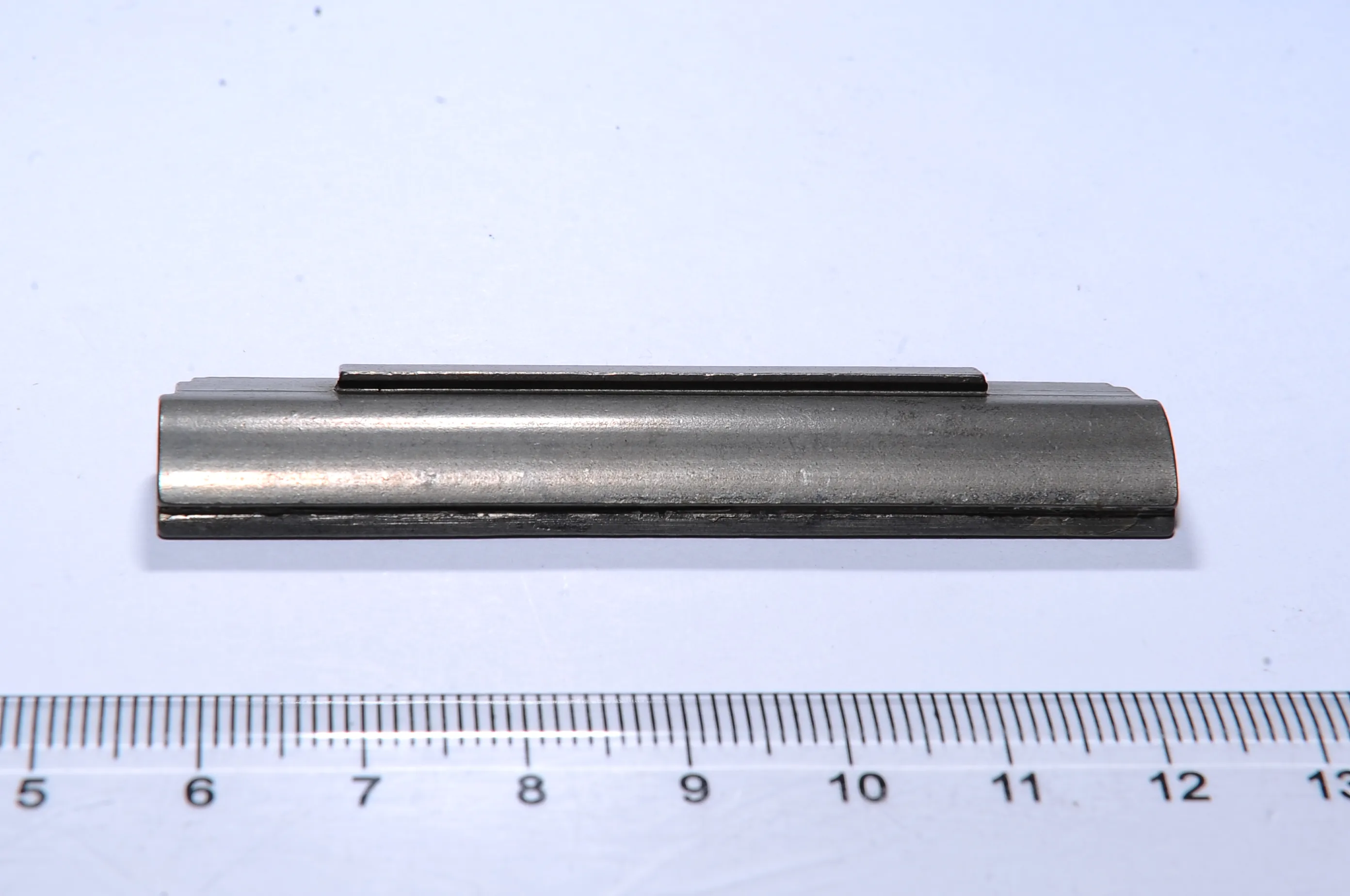
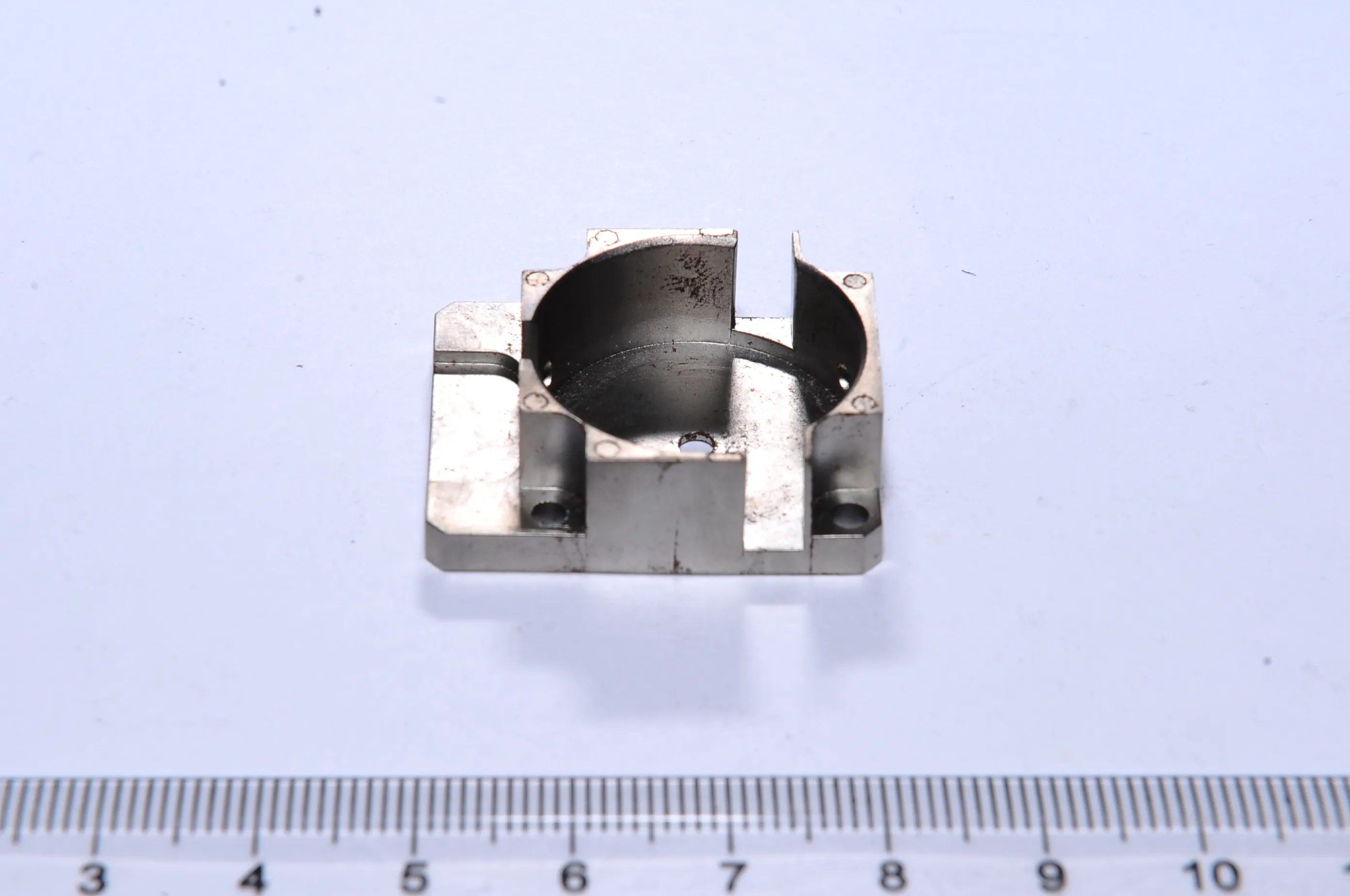
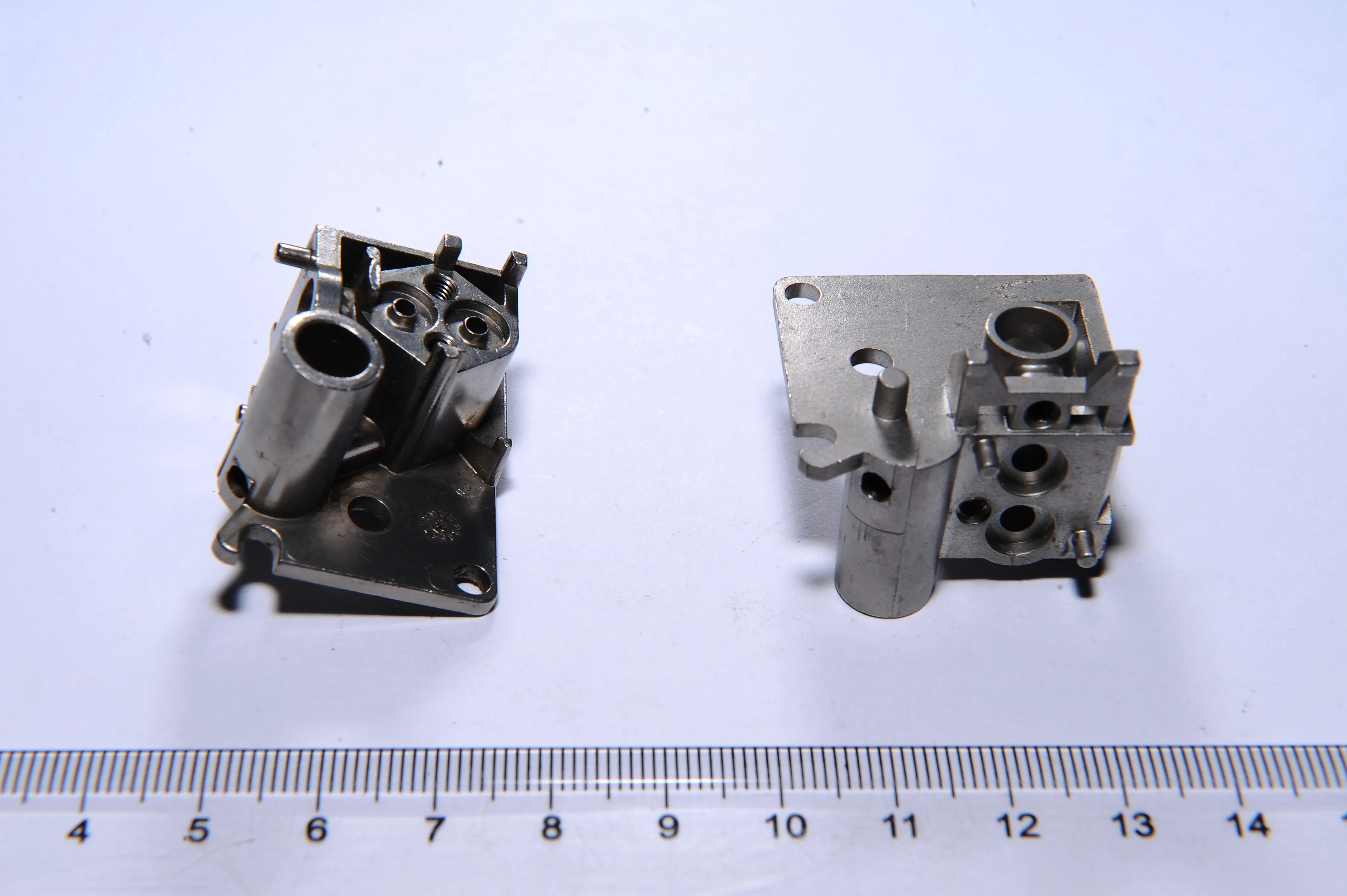
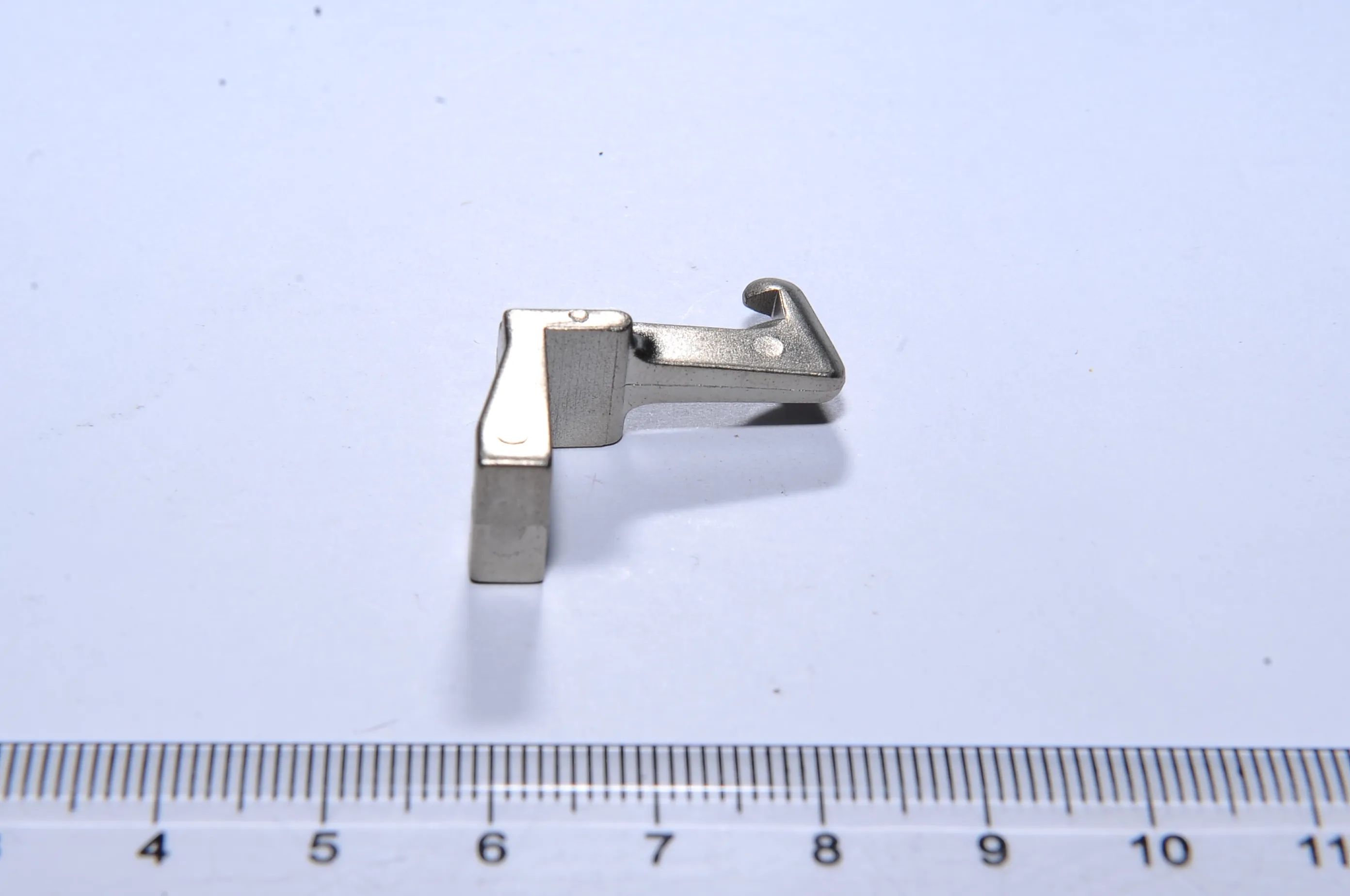
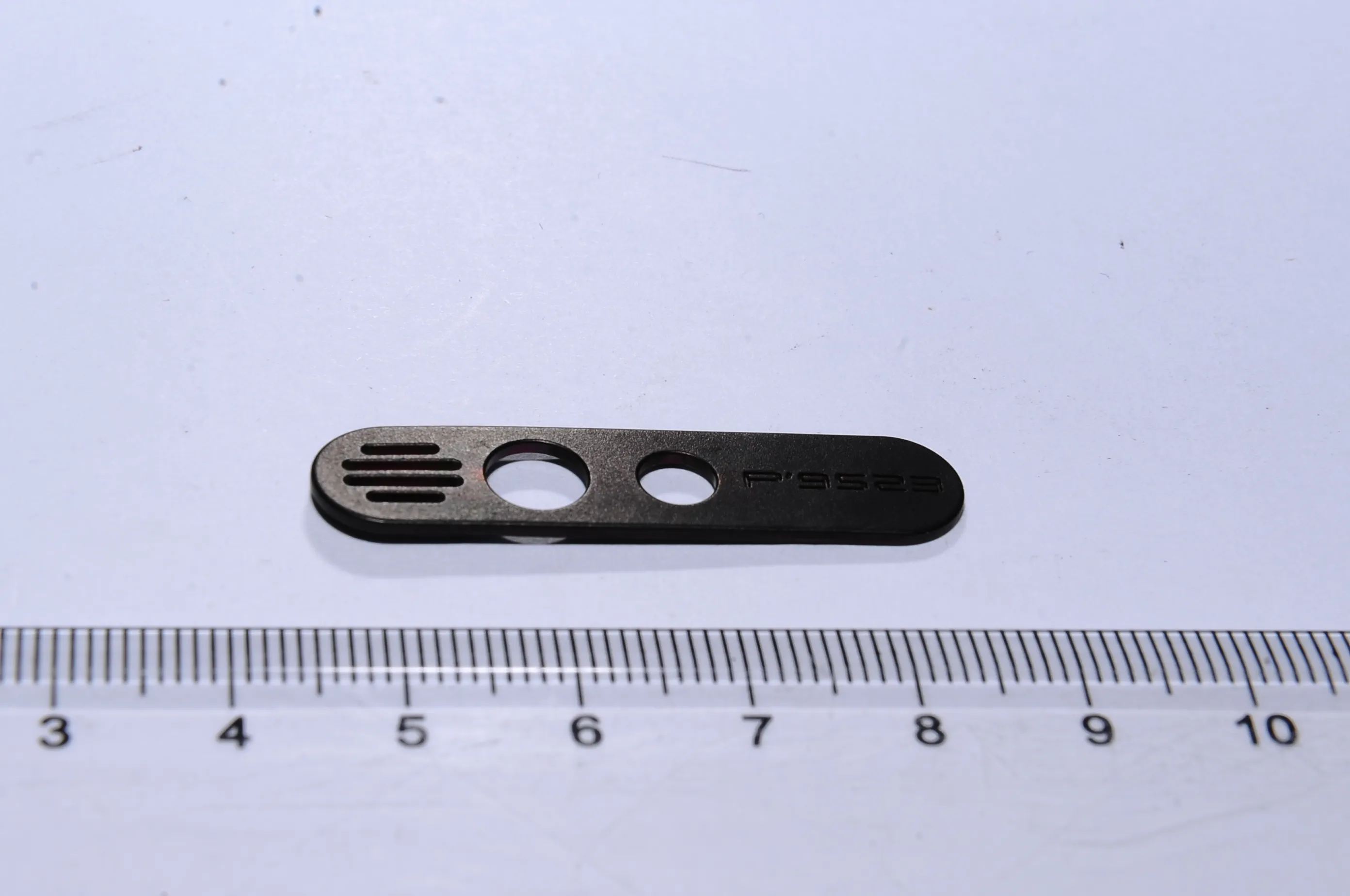
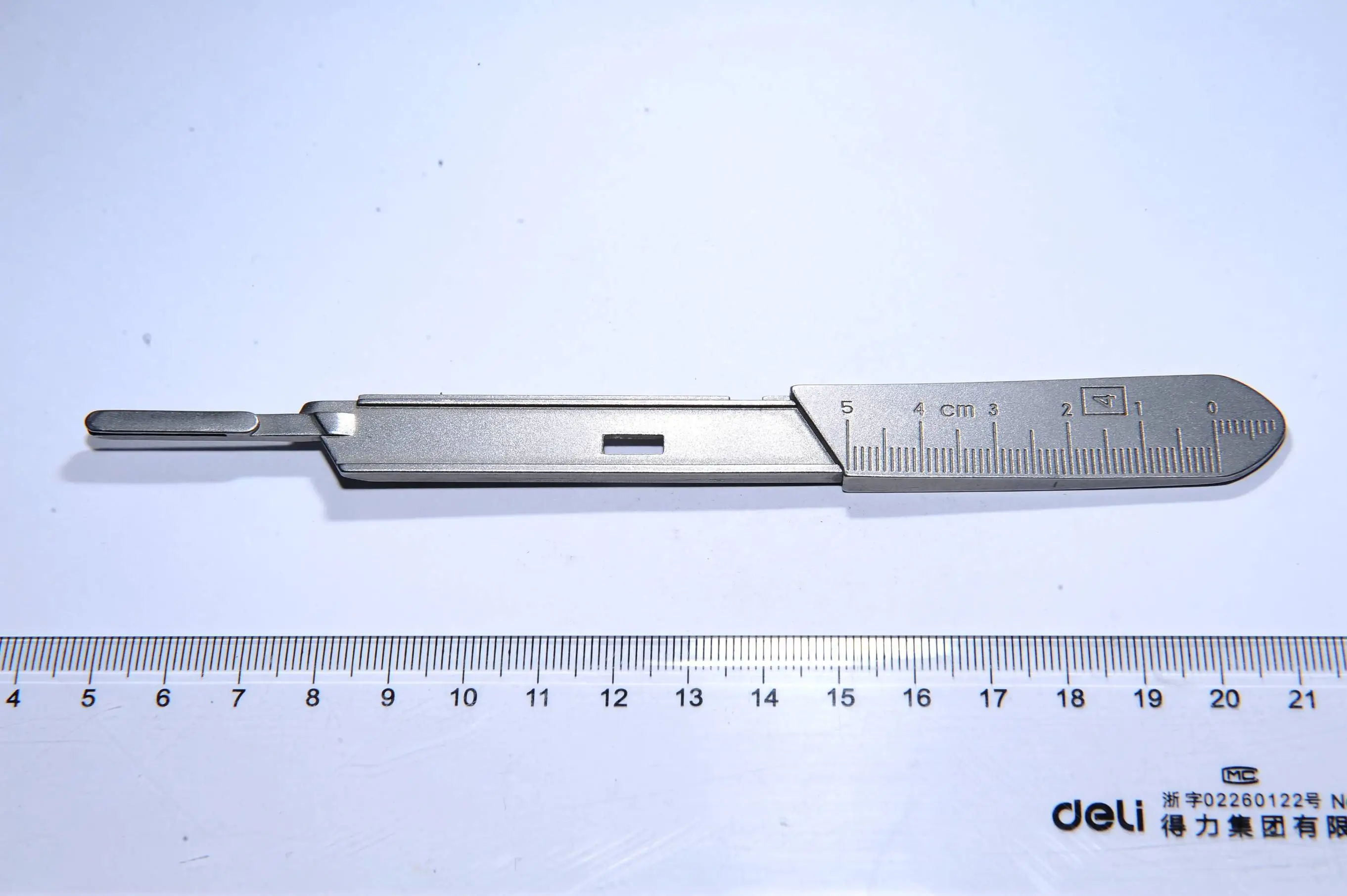
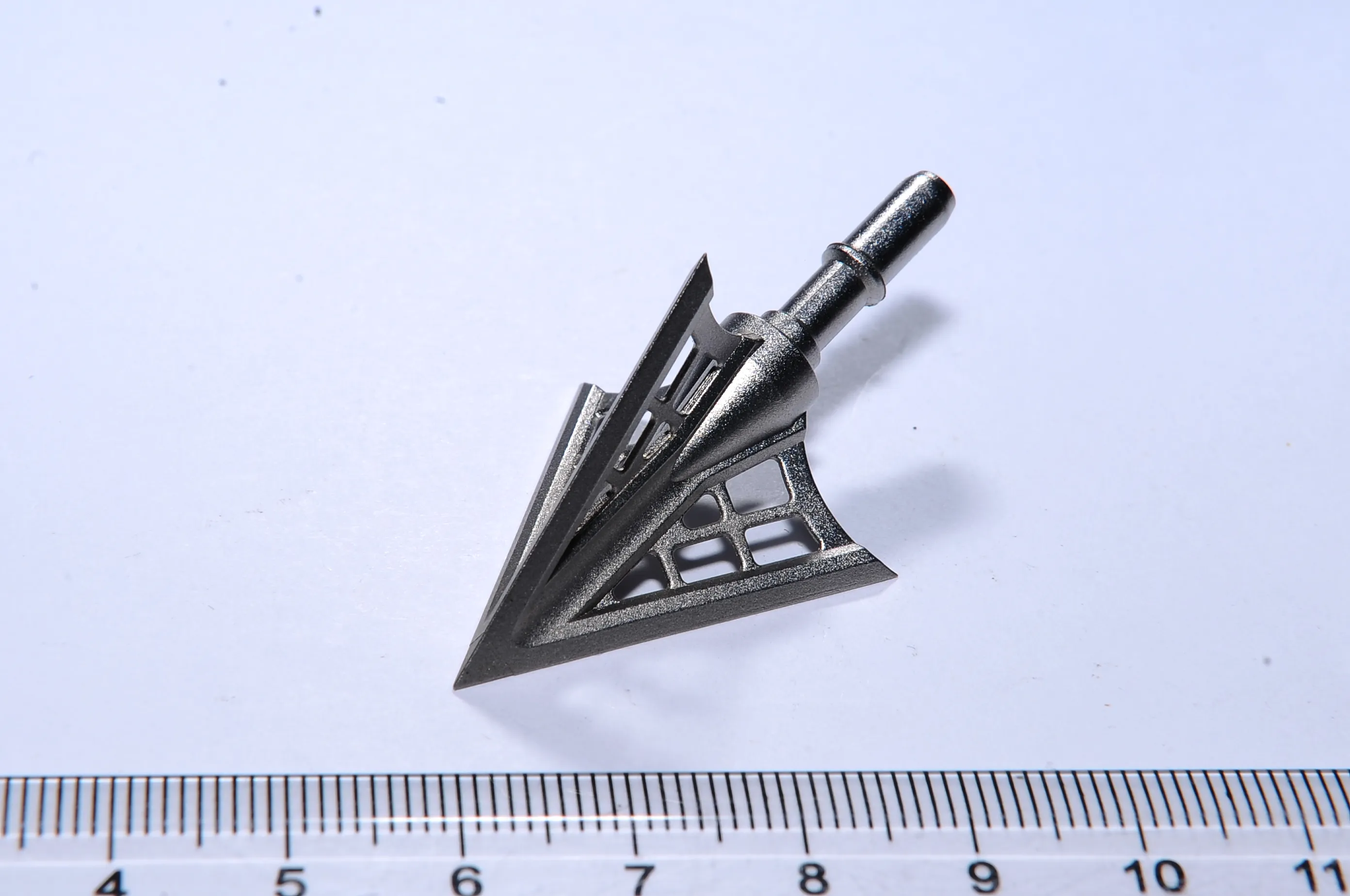
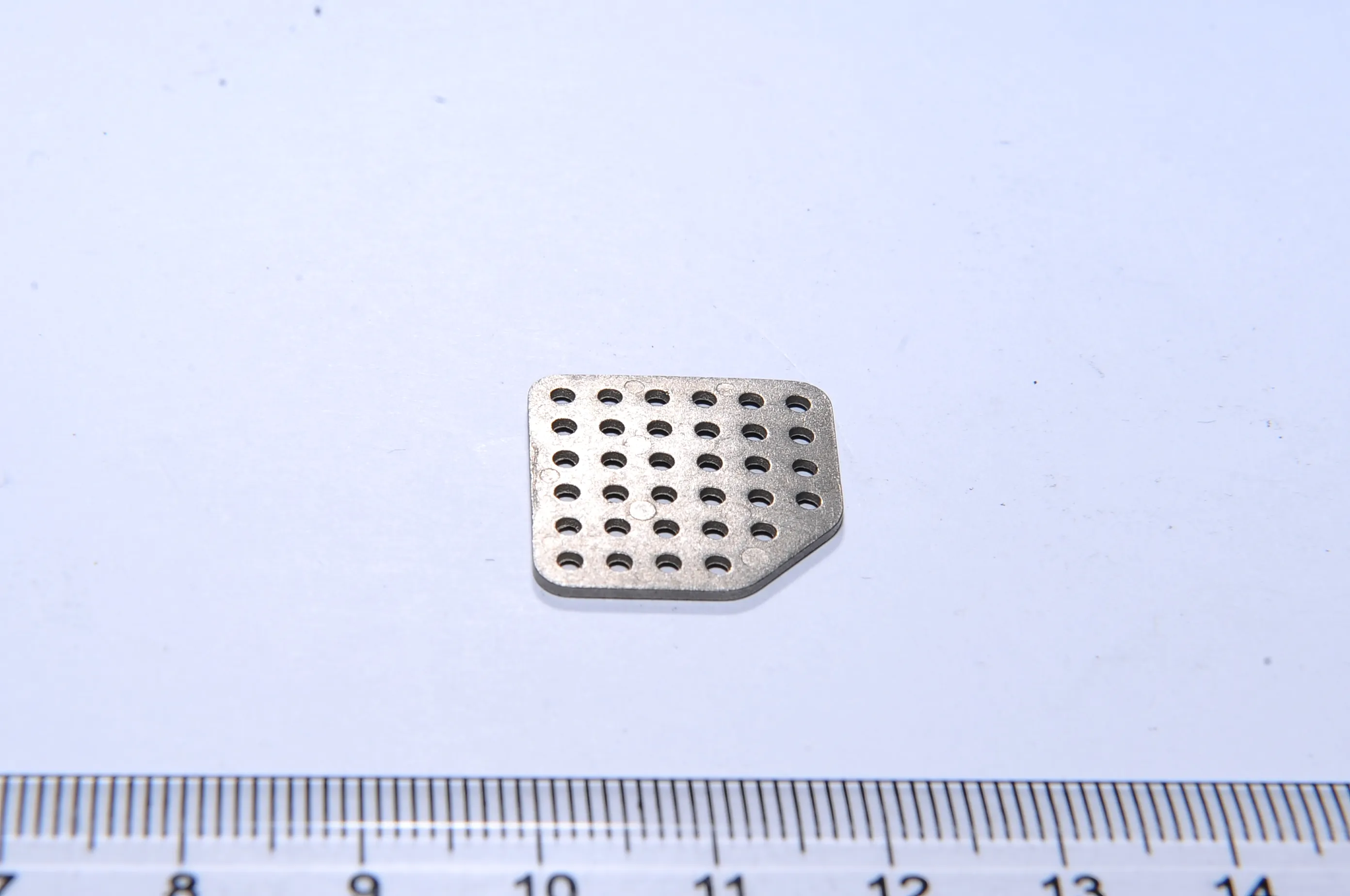
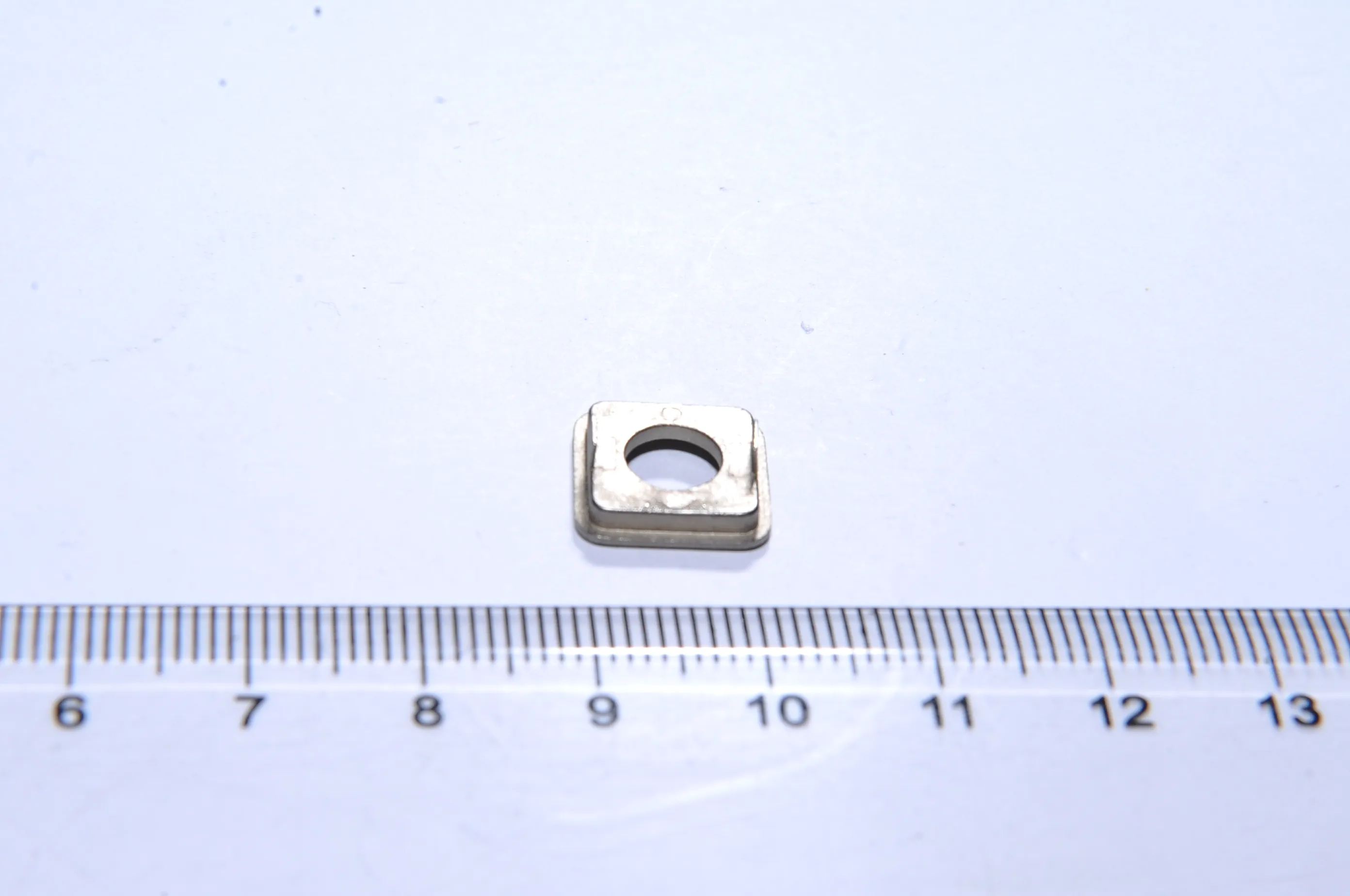
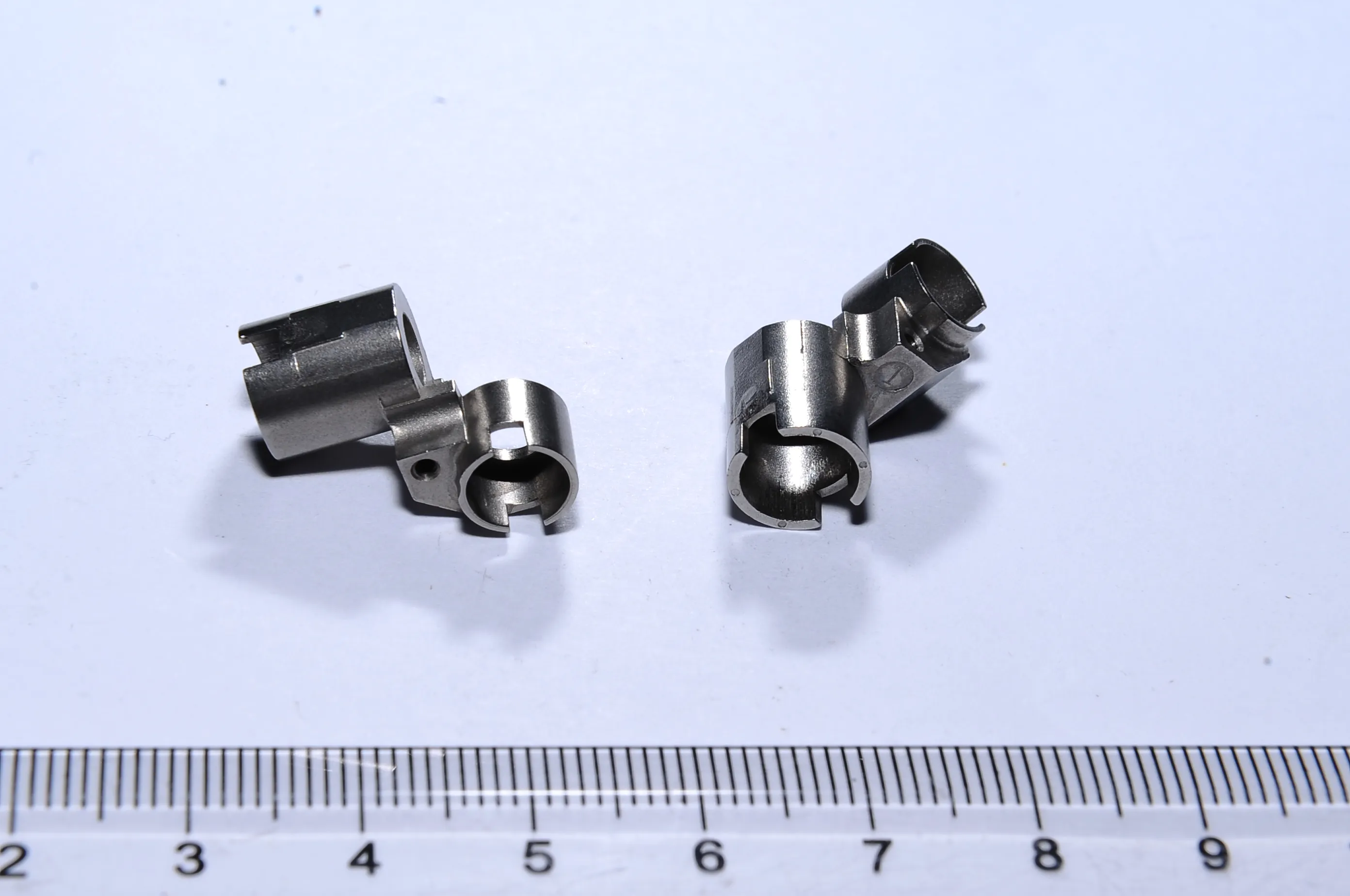
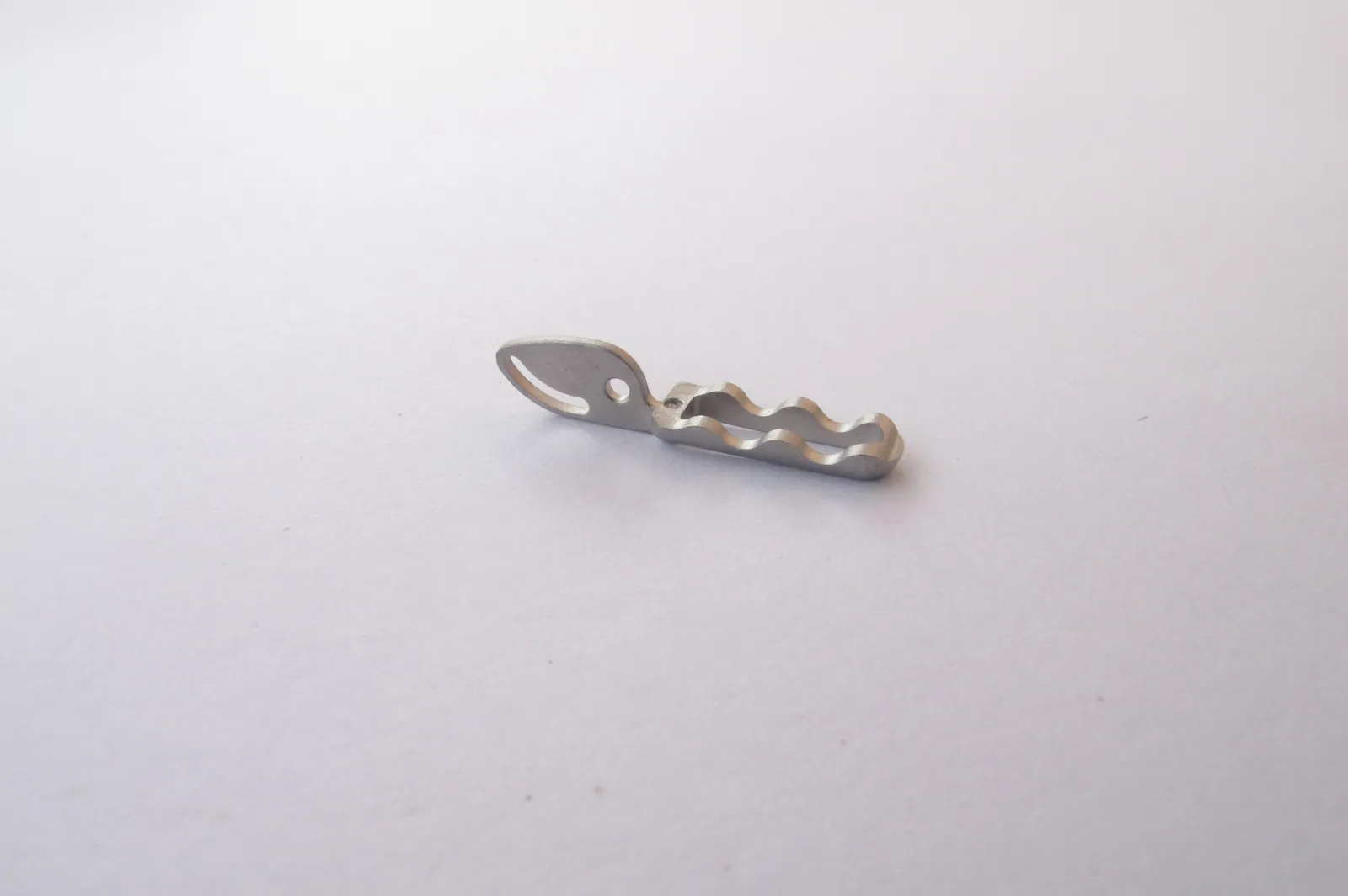
Our MIM service — a complete value chain from evaluation to mass production delivery
Choosing BRM Metal's MIM service gives you not just precision parts — but a complete one-stop service frommaterial selection, DFM optimization, tooling development, APQP sample validation, batch SPC control to global logistics.
Overview of post-processing capabilities
| Post-processing type | Effect | Applicable materials | Typical applications |
|---|---|---|---|
| Mechanical polishing | Ra <0.8μm, mirror finish | 316L/304L/17-4PH | Consumer electronics appearance parts, medical devices |
| Sandblasting | Uniform matte finish, removes scale | All materials | Decorative parts, functional parts |
| PVD coating | High hardness (>2000 HV), multiple colors available | 316L/17-4PH/Ti | High-end wearables, decorative parts, wear-resistant parts |
| Electroplating (nickel/chrome/gold) | Anti-corrosion + decoration + conductivity | 316L/304L | Electronic connectors, appearance parts |
| Passivation | Significantly improves corrosion resistance | Stainless steel series | Medical devices, chemical parts |
| Heat treatment (solution/aging/annealing) | Optimizes mechanical properties and magnetic properties | 17-4PH/Fe-50Ni | Structural parts, soft magnetic parts |
| CNC finishing | ±0.01mm accuracy | All materials | Critical mating surfaces, sealing surfaces |
MIM Frequently Asked Questions
Focused on MIM+MBJ Dual Process precision manufacturing
One-Stop from Prototyping to Mass Production service
Products and Services
Copyright © 1998-2026 Shanghai United Metal Materials Co., Ltd